Bioenergy Archives - Innovative Bioenergy

Bioenergy

Case Study: Denmark’s Bioenergy Success and What Small Countries Can Learn

Denmark is a world leader in renewable energy, with bioenergy at the core of its sustainable energy strategy. As countries worldwide strive to reduce carbon emissions and achieve energy independence, Denmark’s bioenergy success offers a powerful example of how small nations can harness local biomass resources to build a resilient and green energy system.  This […]

Case Study: Denmark’s Bioenergy Success and What Small Countries Can Learn Read More »
How Bioenergy Supports ESG & Corporate Sustainability Goals

How Bioenergy Supports ESG & Corporate Sustainability Goals

In today’s rapidly evolving sustainability landscape, businesses face increasing pressure to meet Environmental, Social, and Governance (ESG) criteria while moving away from fossil fuels. With climate regulations tightening and stakeholders demanding accountability, companies are seeking solutions that are both environmentally responsible and economically viable. This is where Innovative Bioenergy steps in, a pioneering brand in

How Bioenergy Supports ESG & Corporate Sustainability Goals Read More »

Climate change is accelerating, and the window to keep global warming below 1.5°C is quickly closing. Many sectors, including heavy industry, aviation, and shipping, are difficult to decarbonize, and clean alternatives are often limited or too costly. Without effective solutions, achieving global climate goals becomes increasingly unrealistic. This is where bioenergy becomes essential. As a renewable energy source derived from biomass, agricultural waste, and organic residues, bioenergy provides a low-carbon, scalable solution for reducing emissions in hard-to-abate sectors. It plays a critical role in the energy transition by supporting climate targets and strengthening energy systems. At Innovative Bioenergy, we are leading this change by converting agricultural and industrial waste into sustainable, cost-effective energy. Our approach not only supports global decarbonization goals, it also delivers real socio-economic benefits by creating jobs, promoting rural development, and enhancing energy security. In this article, we’ll explore how bioenergy contributes to global climate goals, the environmental and economic advantages it offers, and the strategies needed to scale it sustainably and responsibly. What is Bioenergy? Bioenergy is renewable energy derived from biological materials such as energy crops, woody biomass, organic waste, and agricultural residues. It can be converted into heat, electricity, and biofuels for transport, making it a versatile energy source that complements other renewable energy sources like solar, wind, and hydropower. Bioenergy’s Role in Meeting Climate Targets Decarbonizing Hard-to-Abate Sectors Certain sectors like heavy industry, aviation, and shipping are difficult to electrify and decarbonize. Bioenergy provides a low-carbon alternative fuel, including Biomass such as wood pellets and wood briquettes, biofuels such as bioethanol and biodiesel, that can replace fossil fuels in these sectors, helping to reduce greenhouse gas emissions significantly. Want to dive deeper? Read our blog on how bioenergy is decarbonizing heavy industries in Pakistan. Contribution to Climate Change Mitigation The International Renewable Energy Agency (IRENA) forecasts that bioenergy’s share of total final energy consumption must nearly triple from 7% today to over 18% by 2050 to keep warming below 1.5°C. Sustainable biomass and bioenergy are therefore crucial to achieving the Paris Agreement's goals and the broader Sustainable Development Goals (SDGs). Carbon Negative Potential via BECCS Bioenergy combined with carbon capture and storage (BECCS) can remove CO₂ from the atmosphere by capturing emissions during bioenergy production and storing them underground. This carbon capture technology is pivotal for net-zero emissions pathways and negative emissions strategies. Environmental Benefits of Bioenergy Reduction of Fossil Fuel Use: By replacing coal, oil, and natural gas, bioenergy cuts down on carbon footprint and greenhouse gas emissions. Methane Emission Mitigation: Utilizing waste streams for bioenergy captures methane, a potent greenhouse gas, preventing its release into the atmosphere. Energy System Resilience and Energy Security: Bioenergy’s storability and dispatchability enhance energy security and grid stability, complementing intermittent renewables and supporting the global energy transition. This graph highlights how bioenergy can significantly cut CO₂ emissions across key sectors. Socio-Economic Advantages Rural Economies and Job Creation: Bioenergy projects boost rural economies by creating jobs in agriculture, sustainable forestry management, processing, and energy sectors. Energy Access and Security: It supports clean energy access in remote areas, reducing dependence on imported fossil fuels and enhancing energy sovereignty. Poverty Alleviation and Gender Equality: Sustainable bioenergy initiatives can empower marginalized communities, promoting equitable economic growth aligned with circular economy principles. Challenges and Sustainable Governance Sustainable bioenergy development must address risks related to land use, food security, biodiversity, and carbon stocks. Good governance, robust policy frameworks, and strict sustainability criteria are essential to ensure bioenergy’s positive climate and development impacts without compromising ecosystems or social equity. Policy Recommendations for Scaling Bioenergy Promote international cooperation to establish sustainability standards. Encourage investment opportunities in bioenergy infrastructure and supply chains. Support research and innovation in bioenergy technologies and carbon capture technologies. Integrate bioenergy into national climate and energy plans to accelerate the energy transition. Conclusion Bioenergy stands as a cornerstone in the global transition to a low-carbon future. Its ability to decarbonize challenging sectors, provide renewable energy, and deliver socio-economic benefits makes it indispensable for meeting global climate goals. However, realizing its full potential requires sustainable practices, effective governance, and supportive policies to balance environmental protection with development needs. With the right support, bioenergy can turn today’s waste into tomorrow’s wealth, powering progress while protecting the planet. At Innovative Bioenergy, we are leading this transformation by converting agricultural and industrial waste into cost-effective, sustainable energy solutions. Curious how waste becomes wealth? Explore our blog: From Waste to Wealth: How Bioenergy Is Revolutionizing Industries

The Impact of Bioenergy on Global Climate Goals

Climate change is accelerating, and the window to keep global warming below 1.5°C is quickly closing. Many sectors, including heavy industry, aviation, and shipping, are difficult to decarbonize, and clean alternatives are often limited or too costly. Without effective solutions, achieving global climate goals becomes increasingly unrealistic. This is where bioenergy becomes essential. As a

The Impact of Bioenergy on Global Climate Goals Read More »

The Hidden Cost of Fossil Fuels: Why Businesses Should Consider Bioenergy

The Hidden Cost of Fossil Fuels: Why Businesses Should Consider Bioenergy

Fossil fuels might appear to be a cost-effective energy solution for businesses at first glance, but this perception is misleading. The market price of fossil fuels fails to reflect the hidden costs they carry, from health issues caused by air pollution to large-scale environmental degradation and long-term climate damage. These hidden expenses impact public health,

The Hidden Cost of Fossil Fuels: Why Businesses Should Consider Bioenergy Read More »

Biomass Energy vs. Fossil Fuels: Which Industrial Fuel Saves You More Money?

Biomass Energy vs. Fossil Fuels: Which Industrial Fuel Saves You More Money?

In today’s industrial sector, energy consumption isn’t just a utility, it’s a major cost center. For decades, factories have relied on fossil fuels like coal, diesel, and furnace oil to power industrial boilers and production lines. But this dependence now carries a heavy financial and environmental burden. With rising fossil fuel prices, volatile energy markets,

Biomass Energy vs. Fossil Fuels: Which Industrial Fuel Saves You More Money? Read More »

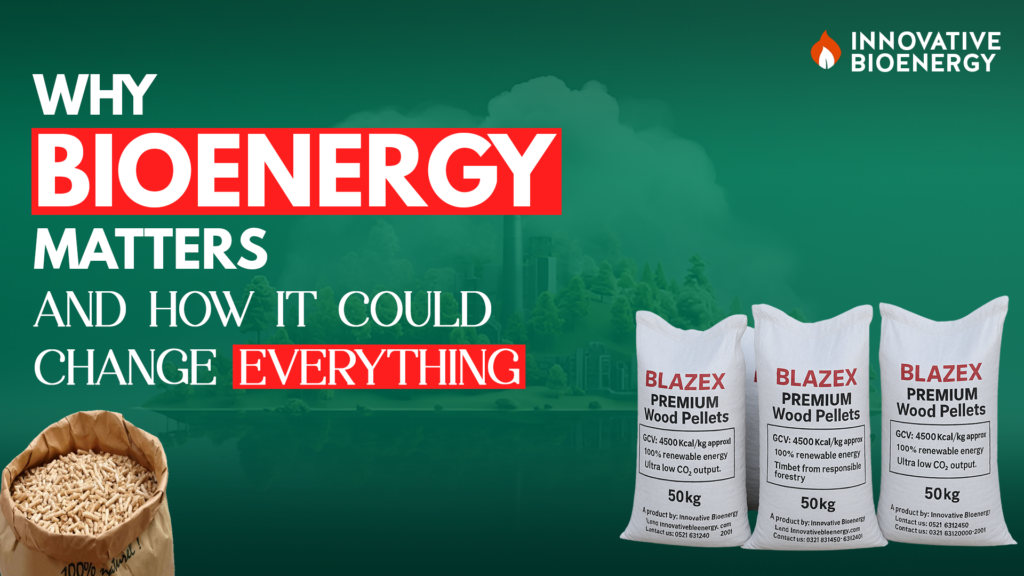
Why Bioenergy Matters - and How it Could Change Everything

Why Bioenergy Matters – and How it Could Change Everything

In today’s world, the rising demand for energy and the growing threat of climate change have pushed governments, industries, and communities to explore cleaner, more sustainable energy alternatives. The continued reliance on fossil fuels has led to widespread air pollution, increased greenhouse gas emissions, and serious environmental degradation. Non-renewable energy sources, still widely used in

Why Bioenergy Matters – and How it Could Change Everything Read More »

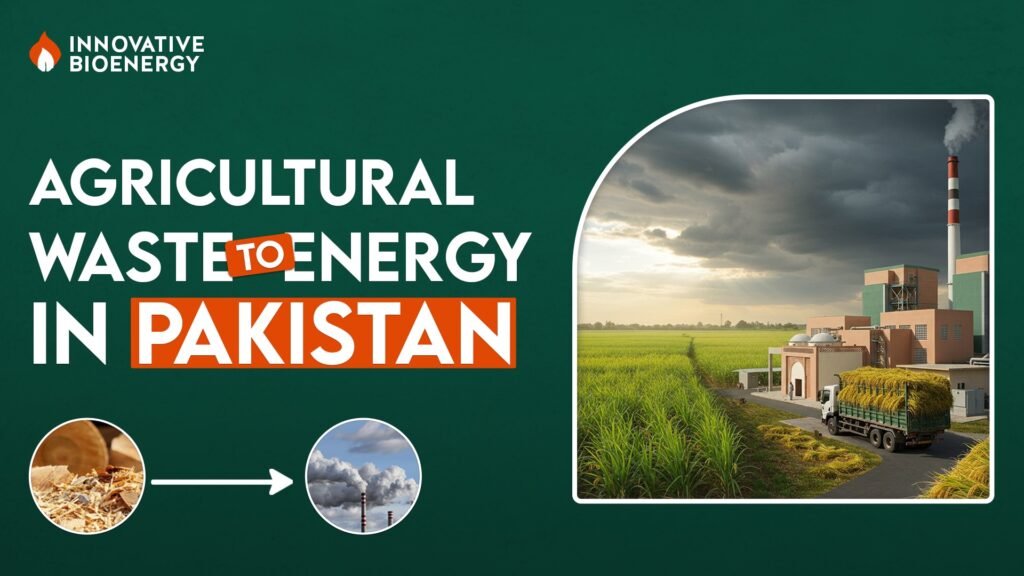
Agricultural Waste To Energy in Pakistan – Full Potential!

Turning Farm Waste into Renewable Energy Since Pakistan is an agricultural country, thousands of tons of crop residues, including cotton stalks, rice husks, wheat straw, and sugarcane bagasse, are left over after each harvest season. Most of this waste is either burned or left to break down, which leads to pollution and health problems. But

Agricultural Waste To Energy in Pakistan – Full Potential! Read More »

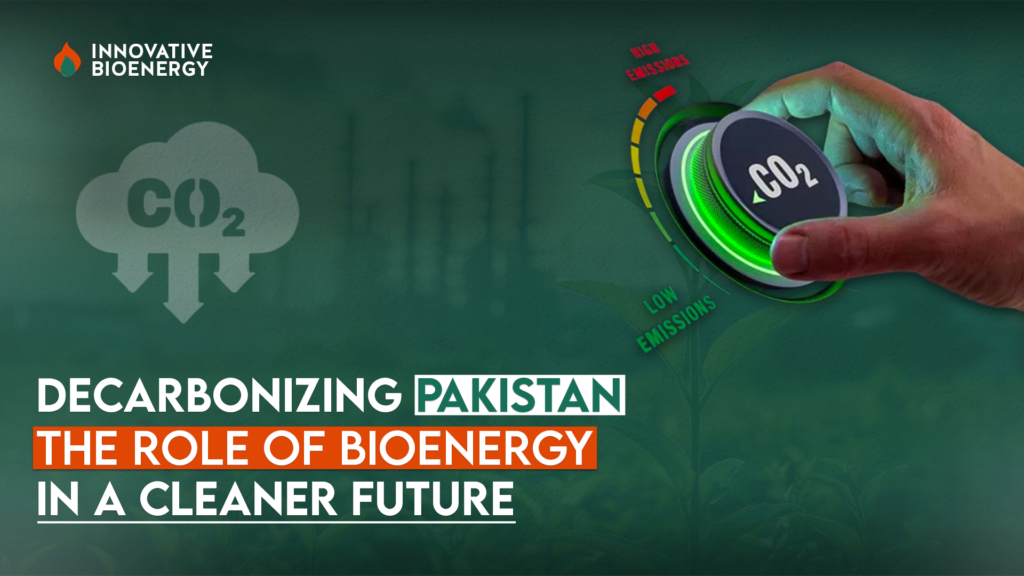
Decarbonizing Pakistan: The Role of Bioenergy in a Cleaner Future

Pakistan is facing a major challenge in meeting the growing energy needs without harming the environment. Power shortages are common, especially in rural areas. At the same time, rising pollution and global warming are creating serious risks for the country’s future. This is where decarbonization comes in. Decarbonization means reducing carbon emissions released from burning

Decarbonizing Pakistan: The Role of Bioenergy in a Cleaner Future Read More »

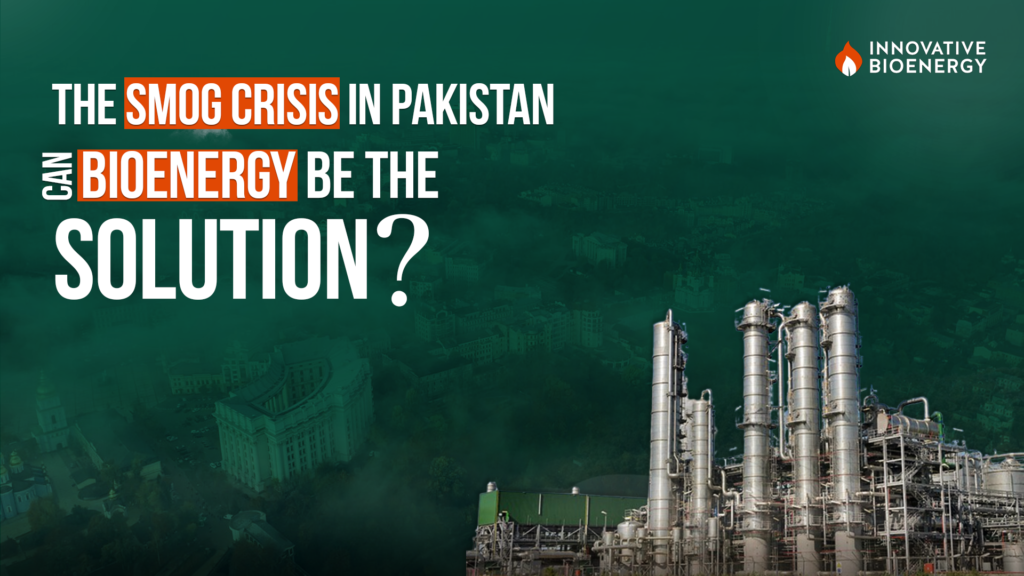
The Smog Crisis in Pakistan: Can Bioenergy Be the Solution?

Pakistan is facing a significant smog crisis, especially in the Punjab province.  Cities like Lahore and Multan suffer from extremely poor air quality, often with pollution levels up to 110 times higher than safe limits, as mentioned in a report. This dangerous air causes serious health problems, including respiratory issues, and even forces schools to

The Smog Crisis in Pakistan: Can Bioenergy Be the Solution? Read More »

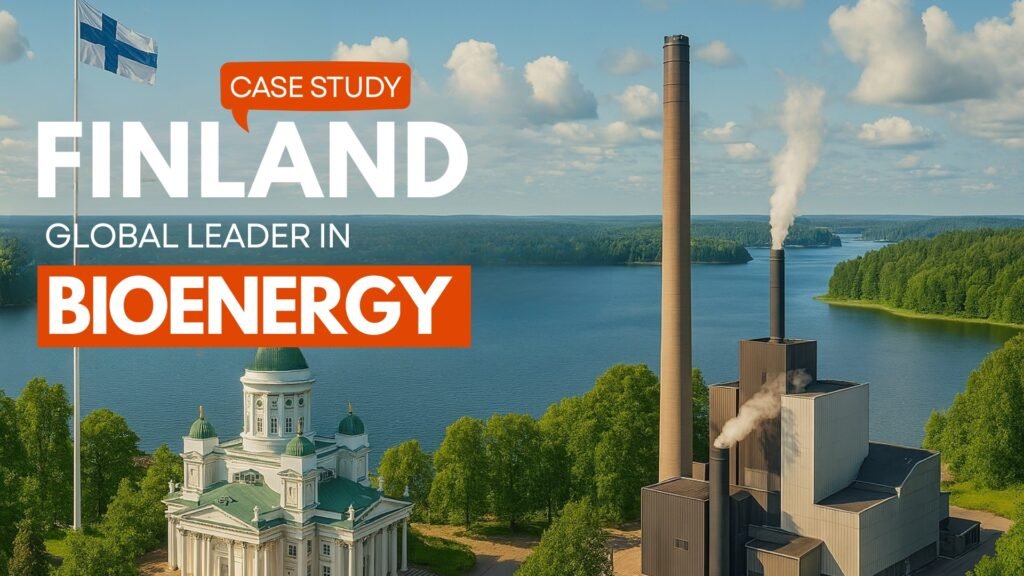
Learn how Finland became a bioenergy leader, using forests, advanced biofuels, and government support to boost sustainability and energy independence.

Case Study: Finland – A Global Leader in Bioenergy

Finland’s journey to becoming a global leader in bioenergy started with an energy crisis. In the 1970s, the country was highly dependent on imported fossil fuels, making it vulnerable to price shocks and supply disruptions. The oil crisis of that decade was a wake-up call, pushing Finland to rethink its energy strategy. Recognizing the need

Case Study: Finland – A Global Leader in Bioenergy Read More »

Shopping Basket